
Bodrum Town Weekly Market: Complete Pazar Guide
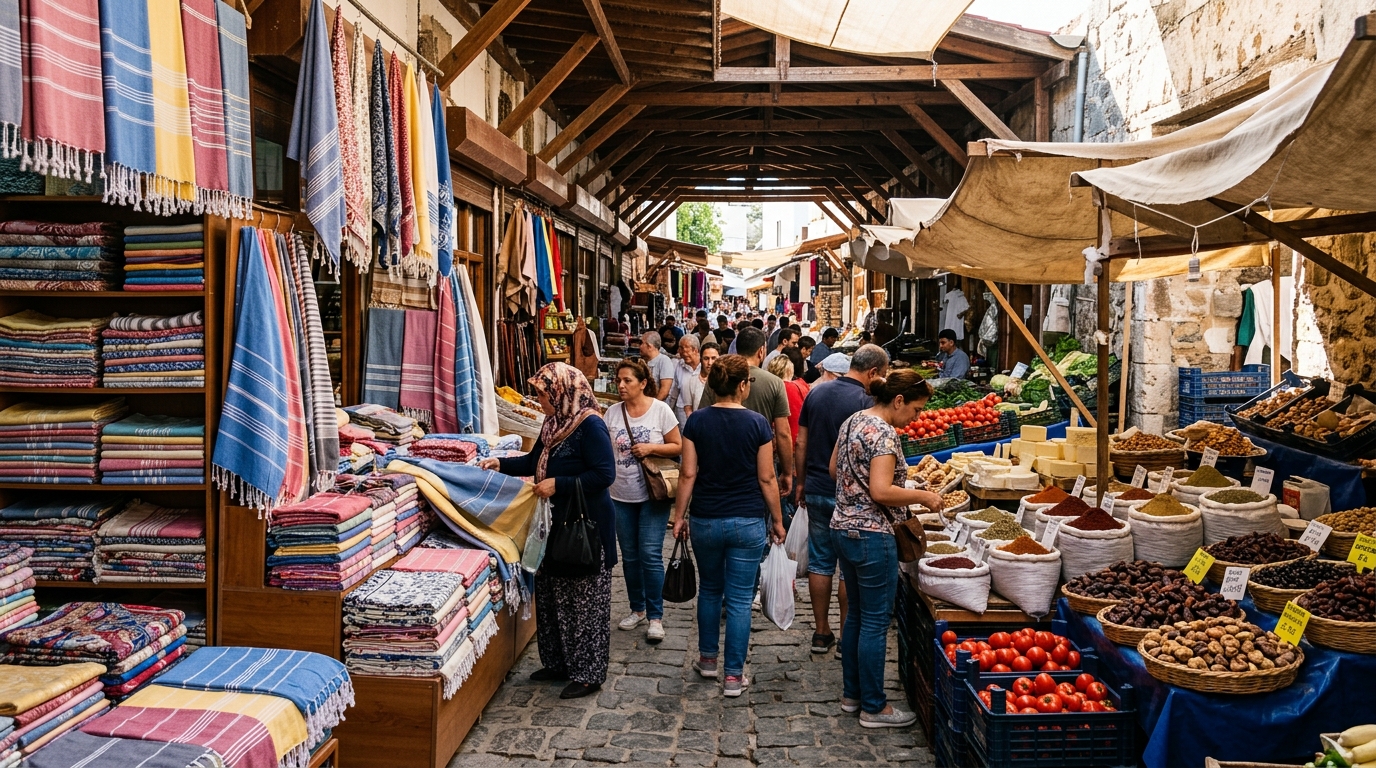
Bodrum Town's covered market behind the bus station transforms twice a week into two very different events: a bustling textile bazaar on Tuesdays and a vibrant produce market on Fridays. Here's everything you need to know before you go.
Ask anyone who has spent a summer in Bodrum where the town's pulse really beats, and they'll point you not to the harbor or the castle walls but to the covered market grounds tucked behind the bus station. The Bodrum Weekly Market is held each Tuesday and Friday at the indoor area north of the dolmuş station. Twice a week, this unassuming stretch of covered stalls and open-air lanes turns into one of the most authentic places on the peninsula to shop, eat, haggle, and simply watch daily Aegean life unfold.
Unlike the boutiques and marina shops that cater almost exclusively to summer visitors, the Bodrum Town pazar has been run by and for locals for generations, even as it has become a well-known stop for tourists too. Knowing which day to go — and what to expect once you're there — makes all the difference between a rushed detour and a genuinely rewarding morning out.
Two Very Different Market Days
The single biggest thing to understand about Bodrum's town market is that Tuesday and Friday are not the same market at all — they share a location but serve completely different purposes.
Tuesday: The Textile Market
Tuesday is dedicated to clothing shopping, when Bodrum Bazaar resembles the old cloth market. Locals still call it by its old nickname — the "çaput pazarı," or cloth market — and it's easy to see why once you walk in. Stalls sell textiles, cotton, curtains, tablecloths and towels, alongside plenty of household items and garden tools. This is the day to hunt for Turkish towels (peshtemals), bedding, cotton robes, sandals, and inexpensive summer clothing. On Tuesdays the Bodrum Bazaar overflows with textiles, and this is when you can find discount clothing, bedding, towels, and other household textiles, plus stalls with cotton and locally made fabrics you won't find anywhere else.
Expect it to be busy. Visitors who've been on clothing day often describe it as very crowded, with a level of noise and shouting that can feel like a lot at first. That energy is part of the experience — vendors calling out prices, fabric unfurled across tables, and a genuine cross-section of Bodrum's residents doing their weekly shopping.
Friday: The Produce and Food Market
Friday flips the script entirely. The Friday Bodrum Bazaar is produce day — while there's some fresh food available daily, it's abundant on Fridays, when local farmers come to sell what they've grown. This is where the peninsula's agricultural richness really shows itself. Dried fruit sellers, dried vegetable and fruit sellers, spice sellers, cheese and yoghurt stalls, and olive vendors display the richness of the Aegean region.
Produce arrives from across the peninsula and the wider Muğla countryside, so the tables change with the seasons — citrus in winter, wild greens in spring, tomatoes and peppers piled high by midsummer, along with regional specialties like local honey, village cheese, and olive oil pressed nearby. If you're renting a villa or apartment with a kitchen, Friday is genuinely the best day of the week to stock up.
Where to Find It
The market sits in the Yokuşbaşı neighborhood, in the covered and open-air grounds just behind Bodrum's main bus station (otogar), an easy walk from the town center and marina. The address is in Yokuşbaşı, on Cemil Uyar Caddesi. If you're coming from the harbor or the old town, it's a flat, unhurried ten-to-fifteen-minute walk inland; taxis and dolmuş minibuses also drop passengers close to the entrance, which is convenient given how central the bus station itself is to local transport. If you're arriving from outside town, check Airport Transfers options in advance to make the trip in from Milas-Bodrum Airport smoother.
Much of the market is under cover, which matters more than it might sound — Bodrum summers are intense, and most of the market being covered makes it a great place to seek relief when the sun and heat get to be too much. Even so, the produce section on Fridays tends to spill into open lanes, so a hat and water bottle are still worth carrying.
What to Expect: Crowds, Cash, and Bargaining
Both market days draw a real mix of residents and visitors, and during peak summer months the aisles can get genuinely tight, especially around midday. Most stalls are fully operational by mid-morning after an early set-up that often begins before dawn, and the standard window runs through the day, though hours shift somewhat with the season.
In the height of July and August, the heat tends to slow things down in the mid-afternoon, with a second wave of activity picking back up once temperatures drop in the early evening. If you want a calmer visit, arriving soon after opening is your best bet — you'll also get first pick of the freshest produce on Friday, before the best items sell out.
Cash is still king here. Most stallholders in produce and clothing sections deal primarily in Turkish lira and small bills, and while a few of the larger vendors may accept cards, it's wise to bring cash for a smooth transaction. Bargaining is a normal and expected part of shopping in the textile section particularly — nobody will be offended if you ask for a better price on a stack of towels or a bag of dried figs, though it's usually done with good humor rather than hard negotiation. Keep bags and wallets zipped and close to you; the market is safe by any reasonable standard, but it does get crowded enough that basic street sense is worth applying, just as it would be in any busy bazaar.
Beyond the Two Big Days
Bodrum Town's market is the largest and most central on the peninsula, but it's worth knowing it's part of a much wider rhythm of weekly markets that rotate through different towns. If Tuesday or Friday doesn't line up with your trip, nearby alternatives include the long-running Thursday market in Yalıkavak, roughly half an hour's drive away, and the sizeable Saturday market in Turgutreis, which locals and repeat visitors often describe as the biggest on the whole peninsula. The Turgutreis Saturday Market is considered the largest on the peninsula, with hundreds of stalls selling everything from food to textiles. Smaller neighborhood markets pop up in villages like Gümüşlük, Ortakent, and Gündoğan throughout the week too, each with its own character, but none carry quite the same central, everyday-Bodrum feel as the town market behind the otogar.
A Few Practical Tips
Wear comfortable shoes — the ground is a mix of pavement and packed earth, and you'll be on your feet longer than you expect once you start browsing. Bring a tote bag or basket if you're planning to buy produce, since plastic bag use is limited and reusable bags make carrying home cheese, olives, and vegetables much easier. If you're only in Bodrum for a short stay and have to choose one day, Friday tends to give visitors a more distinctly local, food-focused experience, while Tuesday is the one to pick if you're after textiles, towels, or inexpensive clothing to take home. Pair your market morning with a wider exploration of the peninsula by browsing Tours & Activities, or check local Events happening the same week, and if you need somewhere central to base yourself nearby, compare Bodrum Hotels close to the town center.
Frequently Asked Questions
What days is the Bodrum Town market open?
The market runs on both Tuesday and Friday, but they're different in character: Friday is reserved for fresh food, and Tuesday is dedicated to clothing shopping.
Where exactly is the market located?
It's set up in the Yokuşbaşı area, in the covered market grounds just north of the bus station (otogar), within easy walking distance of Bodrum's town center and marina.
Is it better to visit the Tuesday or Friday market?
It depends on what you're after — go Tuesday for textiles, towels, and clothing, or Friday for fresh produce, cheese, olives, and local farm products, since the Friday Bodrum Bazaar is produce day, when local farmers bring in fresh fruits and vegetables.
Do I need cash, and can I bargain?
Yes, bring cash, as most vendors prefer it, particularly for smaller purchases. Bargaining is common and expected, especially in the textile section, though it's typically a friendly back-and-forth rather than aggressive haggling.
Is the market crowded, and when should I go to avoid the rush?
It can get busy, particularly on Tuesdays and during peak summer season. Stalls are typically fully operational by mid-morning, and in July and August the mid-afternoon heat slows activity before a second surge once temperatures cool later in the day — so an early morning visit is the most comfortable option.
İlgili Yazılar
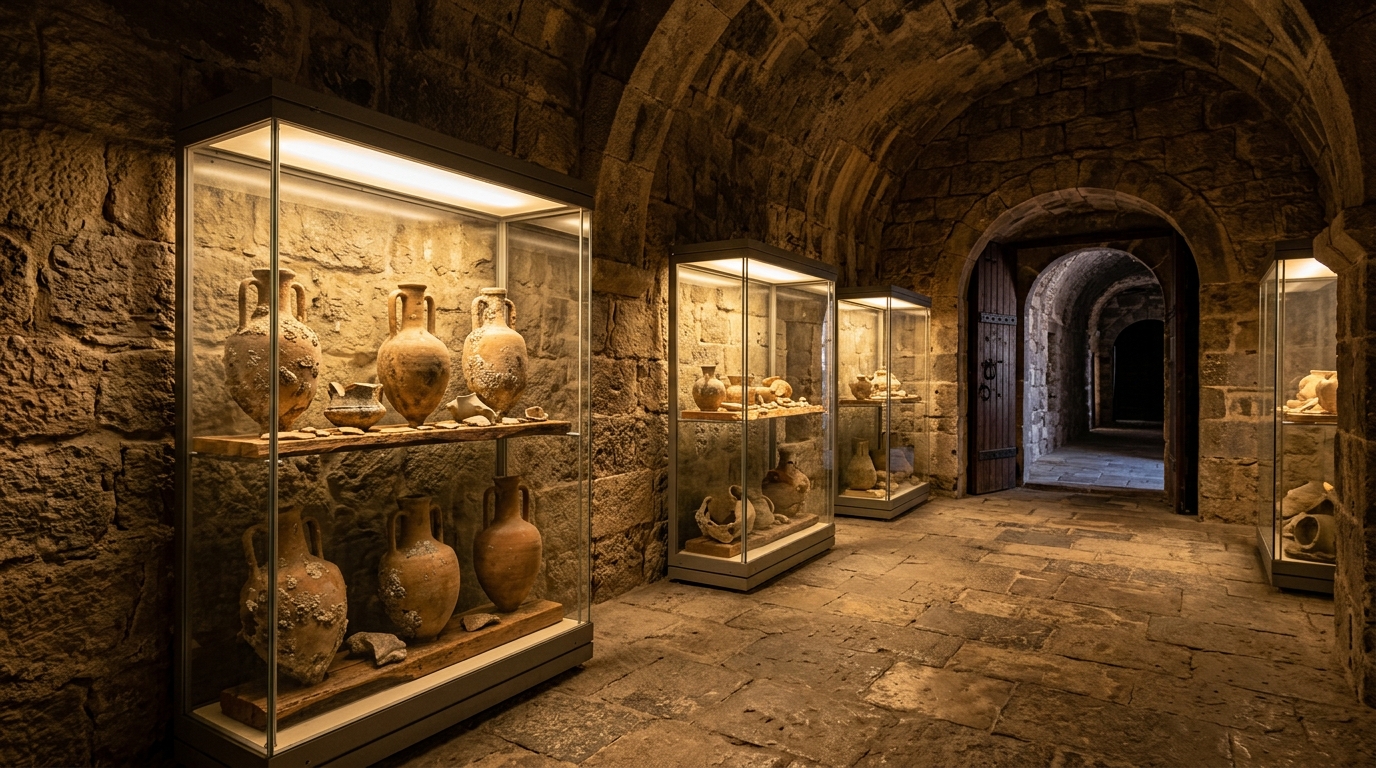
Bodrum Museum of Underwater Archaeology: Full Guide
Inside Bodrum Castle lies the Museum of Underwater Archaeology, home to the world's richest collection of Eastern Mediterranean shipwrecks. From 3,000-year-old Bronze Age cargo to a Byzantine glass wreck, this fortress-turned-museum offers a rare blend of history and adventure.
Read More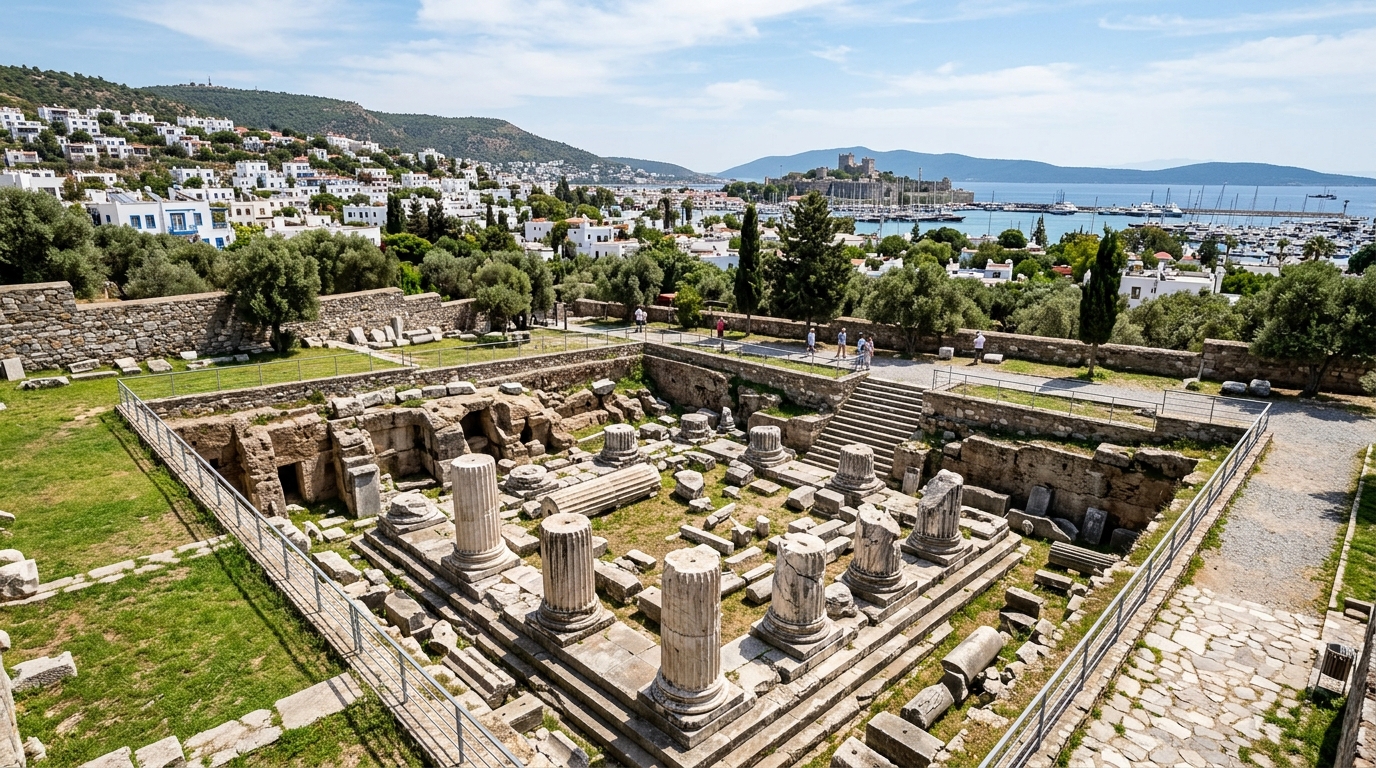
Mausoleum at Halicarnassus: Bodrum's Ancient Wonder
Long before Bodrum Castle rose over the harbor, a tomb so extraordinary it became one of the Seven Wonders of the Ancient World stood on this same ground. Here's the story of the Mausoleum at Halicarnassus and what remains of it today.
Read More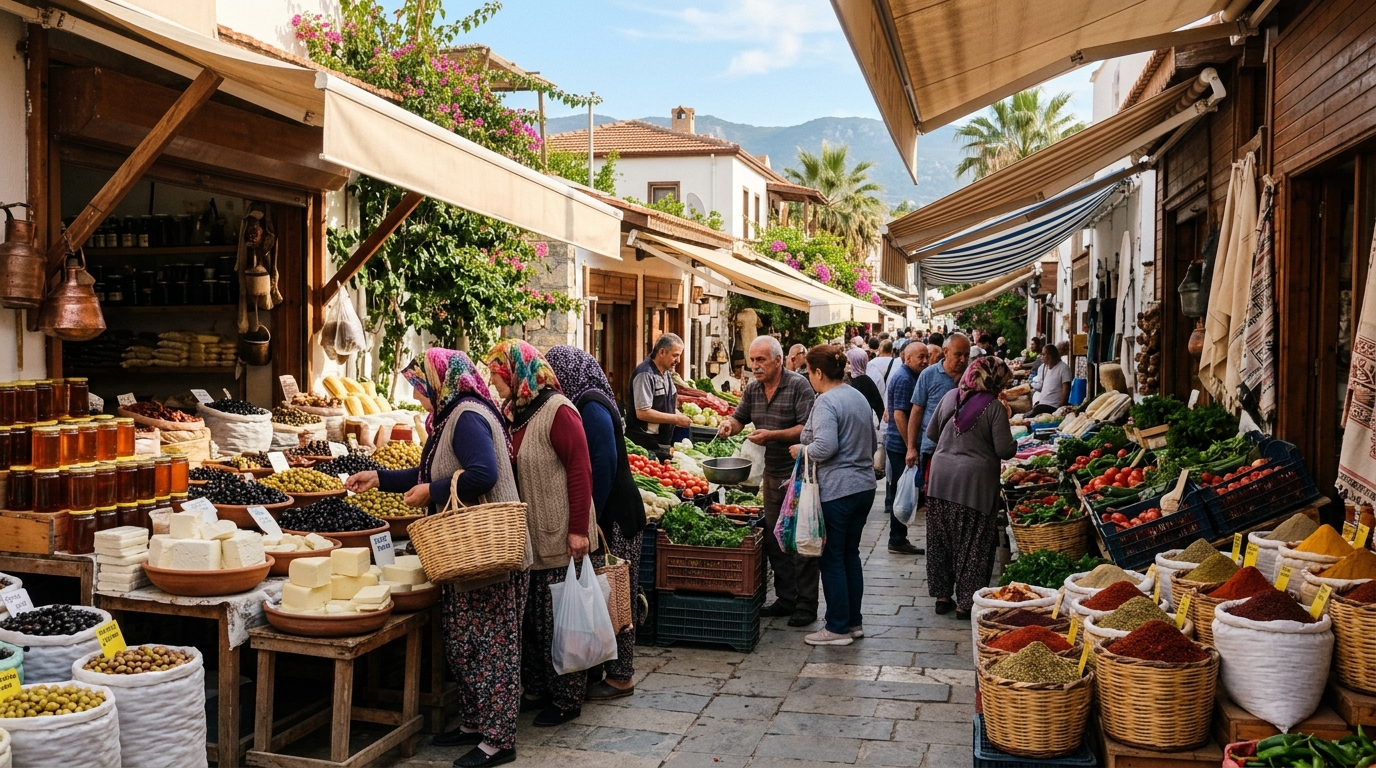
Turgutreis Saturday Market: A Local's Guide to Bodrum
Turgutreis's Saturday market is the Bodrum Peninsula's biggest and most authentic weekly bazaar, split into a bustling food section and a lively textile market. Here's a local's guide to navigating both halves, getting there, and shopping like a regular.
Read More